What to Send a Friend at Their First Solo Exhibition
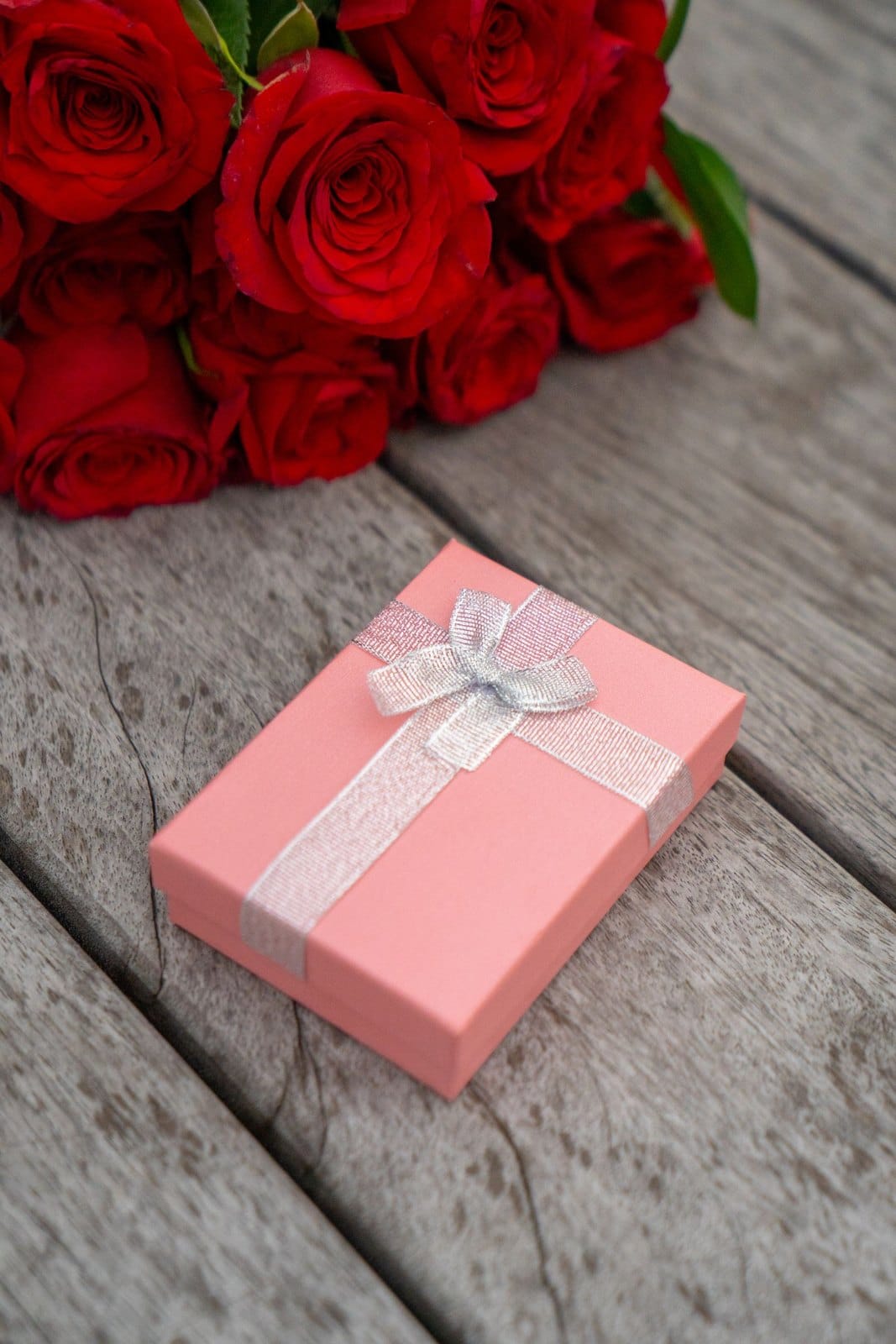
Find out what opening night looks like
An artist may spend the opening greeting people. Keep instructions for a third party apart from any personal words intended for one person. Ask when they have a moment to receive a gift. Check whether the venue takes deliveries. Check whether there is anything still to be collected or confirmed before you close the plan. Keep an alternate time in mind. Ask which areas will be accessible at the time you expect to use them. Pay attention to the detail that would change your decision rather than all the small differences.
A show in a small room may lack storage. Ask where the artist can put a parcel safely. Consider what you would do if the first available space became occupied during the occasion. Choose a gift that leaves both hands free. Offer to bring anything large another day. Start with the circumstances you know and keep uncertain assumptions visible for later. Make a quick inventory while all the items are still visible on the same surface. Make the closest comparison you can before assuming that a more expensive change is needed.
Some exhibitions open across several dates. Give the person acting next a time by which they can reasonably expect a decision. Ask which gathering the artist wants to mark. If two things depend on the same person, let them know which should happen first. Write the opening date on your own notes. Keep a more flexible window for delivery. Mark an unconfirmed point clearly until the person responsible has answered it. Find out who can actually answer a call during the window you have agreed. Read the final wording once as if you were the person receiving it.
Talk to the organiser if you are unsure about flowers. Ask where they can stand without obstructing work. Make sure the person handling the flowers understands which parts are intended to stay together. Check for restrictions around liquids. Work out where the item can wait safely if the final recipient is delayed. Leave the delivery plan with one named person. Settle the practical consequence of the change before talking about any less urgent details. Put the most important decision in writing while everyone still has time to think.
Choose a gift that suits the space
A compact bouquet can fit a staffed desk. Leave enough room for other people to carry out their own work around you. Ask who controls the desk area. Choose a container that stays steady. Check the conditions at the destination rather than relying on how things look at home. Give the artist a way to take it away. Choose somewhere you can reach to check the arrangement again without lifting it unnecessarily. A single clear requirement makes the later comparisons easier to judge on their merits. Look at how the weight is distributed before moving an arrangement from its original position.
Food can help during a long setup. Ask what the team is comfortable sharing. Take preferences seriously even where the rest of the household would make a different choice. Choose sealed portions with clear labels. Check how the venue handles outside food. Picture the actual route and surfaces before making an arrangement based on a general description. Consider the time between receiving the order and when people are likely to open it. Position heavier things so their weight does not land on something that can crease or break.
An artist may enjoy a card they can keep. Choose the moment for sharing the message with the recipient’s circumstances in mind. Choose paper easy to store with programmes. Ask whether the plan still works if the first choice is unavailable when needed. Mention a piece or aspect you noticed. Leave space for the artist to read it later. Use a location that is straightforward to explain to someone who has not been there. Check which parts can happen early without getting in the way of the rest. Use a direct sentence to make the most important point easy to pick out.
A gift can reach the artist after the opening. Choose a quiet handover the next day. Give the people affected by the decision a chance to confirm the detail themselves. Offer a short visit rather than another event. Have the person in charge confirm that the next person has taken responsibility. Ask where they want it delivered. Change one element at a time so you can tell which adjustment made the difference. Keep useful information from the experience while letting go of details nobody needs later. Set aside any part of the plan that depends on information you have yet to receive.
Ground the message in the work
Name one detail you noticed in the exhibition. Record just enough detail that someone else can follow the decision without asking twice. Use your own words about what stayed with you. Avoid making the note a review for public use. Check names against a reliable reference before someone copies the text onto the final version. Keep a longer response for another conversation. Use a neutral description of what you see before suggesting what you think went wrong. Share changes with whoever is already on the way before they reach the old location.
If you knew them while they made the work recall a moment. Ask before sharing that story publicly. Check the fit again after putting down anything you were holding during the first test. Keep private difficulties out of the card. Congratulate them on a specific piece of work. Leave enough space between commitments for the part of the arrangement that takes longest. Keep the clothing suitable for the part of the occasion with the firmest expectations. Use a natural movement that resembles what you will actually do in the outfit.
If you haven’t seen the show don’t pretend otherwise. Mention that you’re looking forward to visiting. Ask another person to look once if you cannot see the part in question clearly. Ask what time would give you room to look. Follow through once the room is quieter. Use the same starting conditions when you compare the two options side by side. Give people a clear indication when their part in the arrangement is finished. Decide who will communicate a delay so that separate messages do not create confusion. Allow the people most affected by the change a chance to choose what works for them.
A group card can carry several genuine observations. Allow a little time for someone to notice a name or detail that has been missed. Let each contributor write one short sentence. Avoid ranking favourite pieces during the opening. Give the receiver enough information to recognise which parcel or arrangement belongs to them. Put a contact name on the parcel for logistics. Choose a container you can open and close again without scattering the small pieces. Separate what you expect to use immediately from what can stay put until arrival.
Make the handover fit the room
Check the gallery’s public entrance. Ask where couriers can stop. Use a handover point the people involved can identify without searching for extra clues. Give the venue the recipient’s name and window. Leave room for the recipient to make a different choice when the plan reaches them. Let the artist know who will accept it. Let someone close to the occasion check the details if the person is busy. Check the result again under conditions that resemble those in which it will be used. Use the same reference when you compare the first attempt with a later one.
Arrive outside the first rush if you can. Write the agreed time in a form that everyone involved will interpret the same way. Call the agreed person from the entrance. Give each item a regular place so another person can find it when you are occupied. Keep wrapping clear of doorways. Leave the gift if the artist is with a guest. Review the record after the decision so that it reflects what people actually agreed. Decide what an acceptable result would look like before you repeat the comparison. Decide which conditions would make you switch to the backup rather than waiting to see.
Use a delayed delivery if the venue cannot hold it. Confirm when the artist will be elsewhere. Check that any revised plan has an owner who understands what will happen next. Check what can travel safely over the new route. Keep the original card with the order. Think about who can help if something has to be moved while you are occupied. Keep the parts of the original arrangement that still suit the changed circumstances. Take into account the weather and surfaces you will actually encounter on this route. Keep a copy that is easy to find without putting private details somewhere public.
If flowers arrive early ask how to store them. Look at each side separately because the outfit may move differently on one side. Keep them away from traffic and heat. Check whether a vase is available. Use the florist’s instructions for the arrangement in front of you when they are available. Choose a later drop if there is nobody to watch them. Judge comfort after a few minutes in each position rather than while standing still. Keep a dry space clear for cards and packaging while you are dealing with the stems. Consider whether a specialist should see the item before you test a stronger method.
Support the show after opening night
Come back at a time you can look slowly. Ask the artist whether they want company or feedback. If the plan changes, ask whether the change affects the amount already committed. Use the exhibition notes if you want to learn more. Give the person receiving the update one clear option they can act on immediately. Offer a brief conversation if they welcome it. Leave enough room in the total for any practical extras you already know about. Show the person making payment which parts are confirmed and which still depend on a choice.
Check before photographing or sharing the artwork. Make one decision at a time, especially if you’re coordinating with people who have different schedules. Use the artist’s preferred attribution. If you’re comparing possibilities, ask which one the person receiving the gift can use with the least effort. Avoid showing people who did not agree to be filmed. Share the public event information if appropriate. Before committing, check whether any part of the plan has become more complicated than it needs to be. Base the decision on something the person has said or done in everyday life.
If you want to buy a piece ask who handles sales. Give the artist time to explain collection details. Check which side needs to stay upright before someone picks the package up by instinct. Keep the gift separate from the purchase conversation. Respect the venue’s usual process. Decide who can authorise a charge before the person making the arrangement needs an answer. Keep the parts you will need first within reach after the other pieces are packed. Keep a copy of the order reference with the details you agreed before paying.
Send a specific note once the event has settled. Base a future decision on what actually happened as well as what you originally planned. Say which moment you remembered afterwards. Give any reply its own time. Use one reliable point of contact for questions that arise after the immediate occasion. Keep your support practical for the next visit. Leave room to handle a later request without expecting everyone to be available again at once. Treat a preference given in private as information for this decision alone. Keep an agreed point of contact in case the person who takes delivery has a practical question. Read the related Floral Whispers guide for more on this part of the decision.
Ready to order? See Gift Hampers in Nairobi.
Ready to send this gift in Nairobi?
Order on WhatsApp for same-day delivery of flowers, hampers, teddy bears and wine gifts.