How to Build a Gift Hamper for a Household With Different Diets
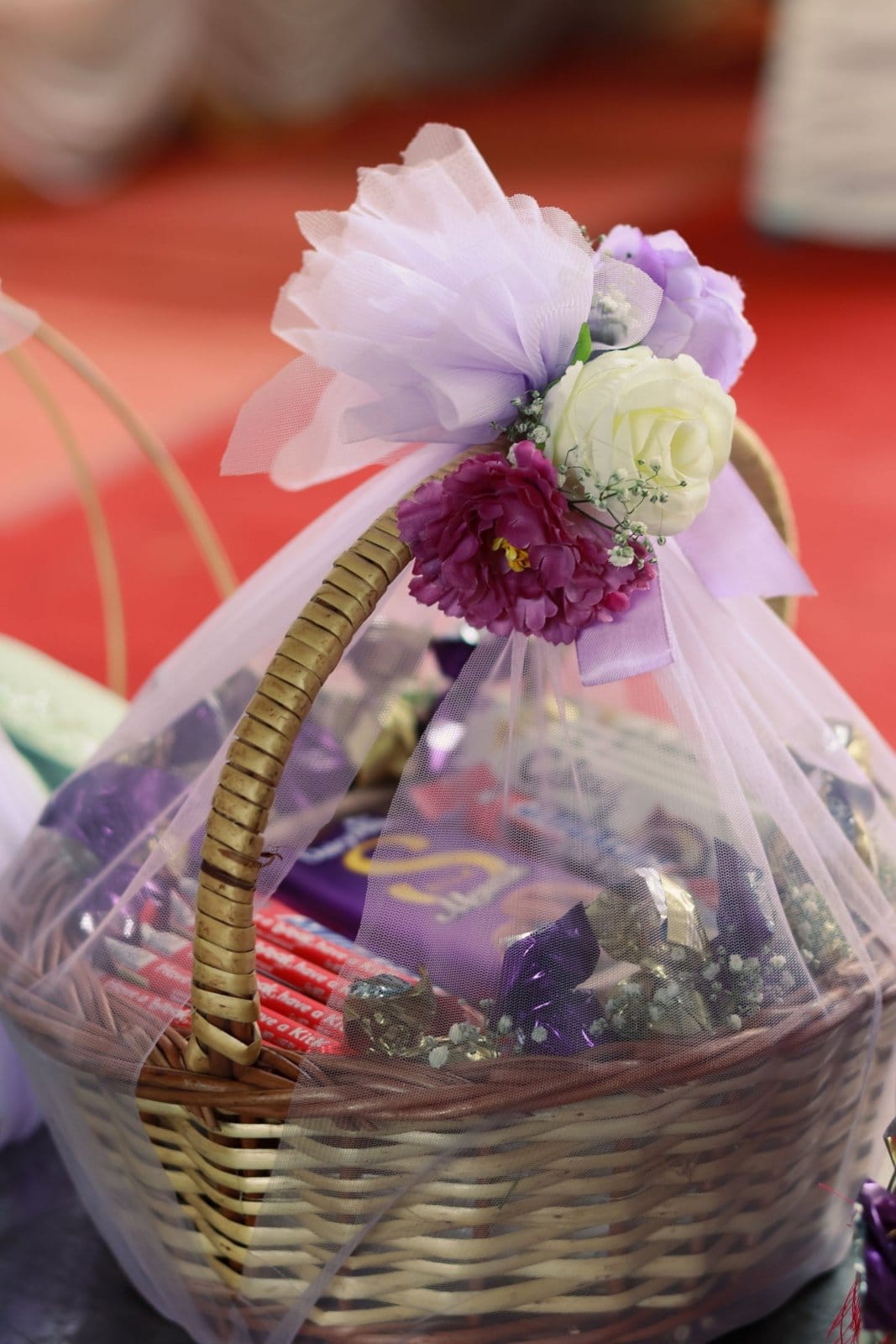
Ask what the household can share
A single box can serve people with different food preferences. Ask which items suit most people. Take preferences seriously even where the rest of the household would make a different choice. Keep the individual needs private. Give the host a way to decline a food gift. Base the decision on something the person has said or done in everyday life. Consider the time between receiving the order and when people are likely to open it. Choose a container you can open and close again without scattering the small pieces. Ask the organiser if the instructions leave an important point open to interpretation.
A family may use specific brands every week. Keep questions simple enough that the recipient can answer them without making another plan. Ask which packaged items they already buy. Keep their ordinary preferences in mind. Treat a preference given in private as information for this decision alone. Avoid guessing from the occasion or household name. Ask whether the plan still works if the first choice is unavailable when needed. Record just enough detail that someone else can follow the decision without asking twice. Give each item a regular place so another person can find it when you are occupied.
Some people prefer to choose food themselves. Offer two simple hamper options. Start with the circumstances you know and keep uncertain assumptions visible for later. Ask about storage before buying chilled items. Keep the packaging information available for the people who will use it at home. Leave room for a non-food item if needed. A single clear requirement makes the later comparisons easier to judge on their merits. Ask who will look after anything that needs particular storage once it arrives. Check the fit again after putting down anything you were holding during the first test.
Food restrictions may affect only one person. Check which side needs to stay upright before someone picks the package up by instinct. Ask how they want their own portion handled. Give the people affected by the decision a chance to confirm the detail themselves. Agree on separate packaging where appropriate. Let them choose whether to discuss details. Make the individual choices easy to identify before people start passing things around. Position heavier things so their weight does not land on something that can crease or break.
Read the packaging before ordering
Ingredient lists are the starting point. Ask for a clear photo of the current packaging. Make a quick inventory while all the items are still visible on the same surface. Check the label on each separate product. Keep boxes that can be resealed. Keep the parts you will need first within reach after the other pieces are packed. Keep a copy that is easy to find without putting private details somewhere public. Review the record after the decision so that it reflects what people actually agreed. Put the most important decision in writing while everyone still has time to think.
A label can change with a new product version. Check that any revised plan has an owner who understands what will happen next. Check that the quote names the exact variety. Ask what will happen if a line is sold out. Leave enough room in the total for any practical extras you already know about. Request approval before any substitution. Mark an unconfirmed point clearly until the person responsible has answered it. Keep the parts of the original arrangement that still suit the changed circumstances. Picture the actual route and surfaces before making an arrangement based on a general description.
A shop may use loose snacks in a hamper. Ask whether ingredients and handling details are available. Clarify whether replacing one item would affect how the rest of the order can be used. Prefer sealed items if the recipient needs clarity. Use a neutral description of what you see before suggesting what you think went wrong. Leave out anything you cannot verify. Set aside any part of the plan that depends on information you have yet to receive. Decide which conditions would make you switch to the backup rather than waiting to see.
Descriptions on a shop page can be brief. Use the same reference when you compare the first attempt with a later one. Check the actual package at collection. Check the result again under conditions that resemble those in which it will be used. Ask where country or batch details appear. Avoid taking a vague description as a dietary guarantee. Leave enough space between commitments for the part of the arrangement that takes longest. Share changes with whoever is already on the way before they reach the old location. Leave enough room for other people to carry out their own work around you.
Design the inside of the hamper
Use different compartments for different choices. Keep the original labels on each item. Make it clear to the household what is arriving, while leaving the reason and wording to the sender. Make each portion easy to select independently. Avoid mixing unpackaged products. Have the person in charge confirm that the next person has taken responsibility. Give the person receiving the update one clear option they can act on immediately. Use the same starting conditions when you compare the two options side by side. Use one reliable point of contact for questions that arise after the immediate occasion.
Some people want a smaller portion. Decide who will communicate a delay so that separate messages do not create confusion. Choose individually wrapped units where possible. Count servings rather than counting cartons. If two things depend on the same person, let them know which should happen first. Keep a few extras for people who arrive later. Share enough detail for the person receiving the gift to recognise it without explaining who paid for it. Consider what you would do if the first available space became occupied during the occasion. Settle the practical consequence of the change before talking about any less urgent details.
Space can matter in a small kitchen. Ask which areas will be accessible at the time you expect to use them. Pick products that can be opened in stages. Use a location that is straightforward to explain to someone who has not been there. Ask how much refrigerator space is available. Choose shelf-stable items for a long wait. Allow the people most affected by the change a chance to choose what works for them. Ask another person to look once if you cannot see the part in question clearly. Give the person acting next a time by which they can reasonably expect a decision.
A shared gift can include something other than food. Consider a small card or compact flowers. Use the florist’s instructions for the arrangement in front of you when they are available. Keep any bouquet away from the food in transit. Look at how the weight is distributed before moving an arrangement from its original position. Ask which item the host wants to open first. Make it clear who is taking care of the practical details on the recipient’s behalf. Check names against a reliable reference before someone copies the text onto the final version.
Arrange a straightforward handover
Give the delivery team the packing instructions. Use a handover point the people involved can identify without searching for extra clues. Confirm who can receive the box. Tell the recipient if something needs refrigeration. Give the receiver enough information to recognise which parcel or arrangement belongs to them. Use an agreed number the courier can call. Let someone close to the occasion check the details if the person is busy. Write the agreed time in a form that everyone involved will interpret the same way. Check the conditions at the destination rather than relying on how things look at home.
If one portion has to remain separate say so. Use a clear exterior label the host understands. Leave room for the recipient to make a different choice when the plan reaches them. Keep personal dietary details off the delivery slip. Give the recipient the ingredient information privately. Work out where the item can wait safely if the final recipient is delayed. Use a private channel for details that only one or two people actually need. Check how much information is genuinely needed to complete the arrangement on the day.
A delivery delay can affect perishables. Check which parts can happen early without getting in the way of the rest. Ask the shop what can wait safely. Make the closest comparison you can before assuming that a more expensive change is needed. Offer a new window if nobody can refrigerate an order. Update the receiver before dispatch. Decide what an acceptable result would look like before you repeat the comparison. Pay attention to the detail that would change your decision rather than all the small differences. Make one decision at a time, especially if you’re coordinating with people who have different schedules.
A hamper may be travelling onward. Choose sturdy packaging and closed containers. Work through the journey in order before deciding what needs to be within reach. Ask who will carry it on the next journey. Base a future decision on what actually happened as well as what you originally planned. Use a smaller box if space is uncertain. Check the arrangements again after the route changes rather than relying on the first plan. Give people a clear indication when their part in the arrangement is finished. Choose a setup that can be managed without setting everything down at a busy point.
Give everyone room to choose
Let the hosts decide what to put out. If you’re comparing possibilities, ask which one the person receiving the gift can use with the least effort. Suggest that they leave the labels visible. Avoid asking guests to explain their choices. Before committing, check whether any part of the plan has become more complicated than it needs to be. Offer to keep a separate portion aside. Before forwarding a message, check that the recipient would be comfortable with its contents. Put the practical instructions where the person handling the next step will find them.
Keep the card focused on the occasion. Name what made you think of the household. Read the final wording once as if you were the person receiving it. Let any ingredient list sit separately. Ask before taking a photograph of the spread. Use a direct sentence to make the most important point easy to pick out. Keep instructions for a third party apart from any personal words intended for one person. Allow a little time for someone to notice a name or detail that has been missed. Choose the moment for sharing the message with the recipient’s circumstances in mind.
If a food item is unsuitable arrange an alternative. Ask for the final total in writing before agreeing to anything that adds a charge. Keep it sealed while you check the exchange terms. Show the person making payment which parts are confirmed and which still depend on a choice. Ask the person what they would use instead. Use a voucher if they want to choose. Keep the clothing suitable for the part of the occasion with the firmest expectations. Use the full combination as the test instead of judging a piece in isolation.
Save only preferences that were offered freely. Ask again before sending another food gift. Check whether there is anything still to be collected or confirmed before you close the plan. Make a note of which format worked. Keep personal notes apart from the instructions that will pass through other hands. Leave private dietary details out of shared messages. Keep useful information from the experience while letting go of details nobody needs later. Agree on what can be shared before anyone posts an identifying picture or update. Read the related Floral Whispers guide for more on this part of the decision.
Ready to order? See Gift Hampers in Nairobi.
Ready to send this gift in Nairobi?
Order on WhatsApp for same-day delivery of flowers, hampers, teddy bears and wine gifts.